

FROM THE PALACE TO THE RESTAURANT
Mysterious paths of history connect the shadows of the court culture to the creative space of a modern restaurant. Haute cuisine originated in the days of the kings’ courts when power asserted itself by means of magnificent performances. The king’s dinner at Versailles was a ceremony that could be attended by any well-dressed man – but only as a spectator.

HISTORY
Princes Turandot’s native land, China, was viewed as a mythical land in the eyes of the Europeans in the baroque era. Western public first discovered Turandot’s story thanks to Petit de La Croix’s collection of stories, “1001 days”, published in 1711.

Turandot, is a story of a Chinese princess who proposed her grooms unguessable riddles. First published in French in 1711 by the orientalist Petit de La Croix in the collection of stories “1001 days” and turned to a comic opera by the famous man of letters Lesage, it soon attracted Count Gozzi’s attention. Thus, one of the most widely-known enchanting shows of the Venetian fairy-teller was created.

TURANDOT RESTAURANT
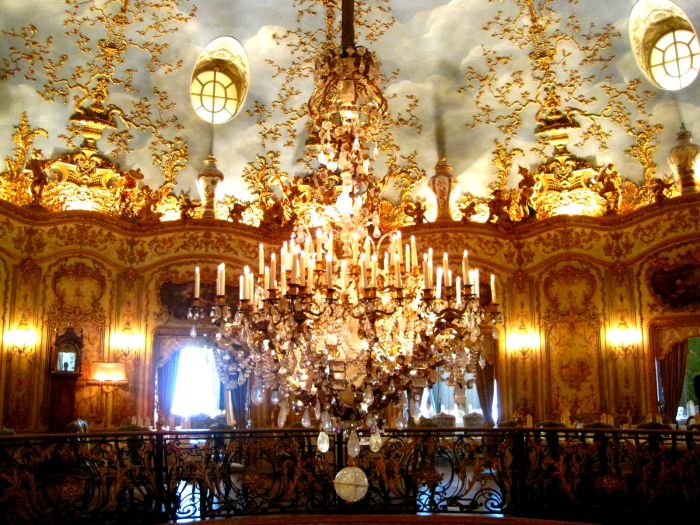
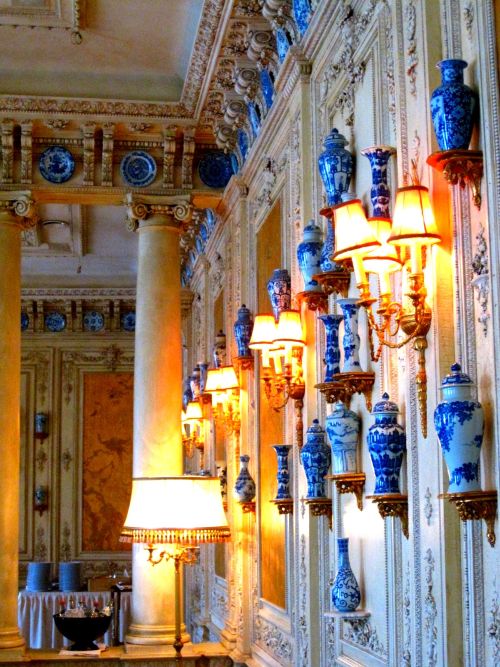
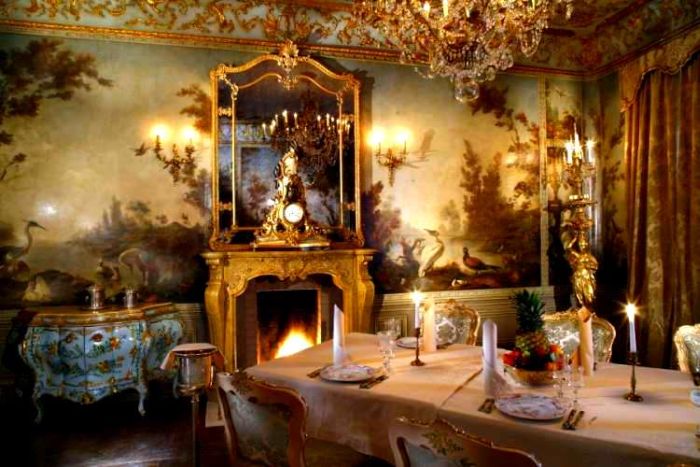
represents Pan-Asian and European cuisine. A combination of the eastern food traditions along with the western individual style, synthesis of the most fascinating meal solutions borrowed from different gastronomic cultures implement to the design created in unique «Chinoiserie» style of 17-18 cent.

VISION OF A PALACE
Turandot Palace was designed by the owner of Maison Dellos holding, the Russian entrepreneur, restaurateur, professional architect and fine art restorer Andrey K. Dellos and the Honoured Artist of Russia, decorator Alexander Popov.

In 2014 their design-projects of restaurants, including Turandot, were recognized among the most remarkable award-winning works and brought A. K. Dellos the title of the Honoured Academician of the Russian Academy of Arts.

Turandot offers a unique synthesis of the past and the present, reality and fantasy, modern cuisine and the spirit of chivalry feasts.

The fantasy palace with numerous authentic objects keeping the memory of the past centuries is the only example of a modern decorative building where architectural principles and techniques of the Absolutism Period were revived.